
What is a Lateral Drain | Repair Drain
What is a lateral drain?
When we talk about modern wastewater systems, several types of pipes and channels are involved. Among them, a lateral drain is one of the most important yet often least understood components. In simple terms, a lateral drain is a section of pipeline that connects your property’s waste outlet system to the public sewer network, providing a path for wastewater to travel away from your home or building.
In this complete guide, we will explore what are lateral drains, how they differ from other parts of a sewage system like a sewer drain, what role they play, how they work, and why understanding them matters for property owners, developers, plumbers, and engineers alike.
Define lateral and the meaning of “lateral” in drainage
The word “lateral” in engineering and plumbing refers to something that runs sideways or to the side of a main line. In drainage systems, the term lateral describes a pipe that runs from a structure’s internal plumbing outward toward a main collection system. In other words, it doesn’t carry waste through the entire waste network — instead, it serves as a bridge between a building’s internal drains and the larger sewer infrastructure.
This is similar to how a side road connects to a main highway: the physical distance may not be long, but the connection is essential for continued flow and transportation of vehicles or, in this case, wastewater.
what are lateral drains — basic definition and purpose
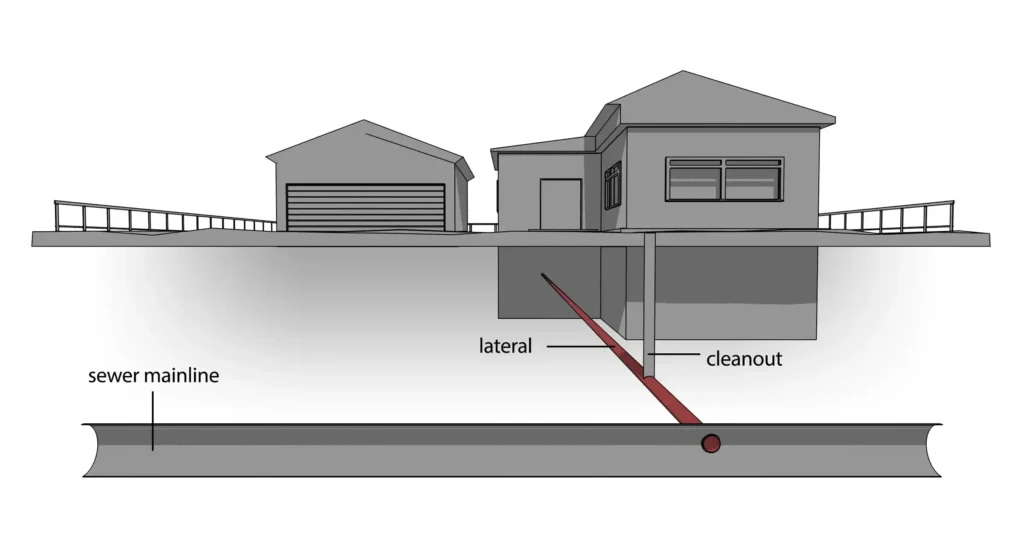
So, what are lateral drains in the context of drainage systems? A lateral drain is essentially an underground pipe or conduit that carries wastewater from an individual property (homes, buildings, businesses) to the public sewer network. (Drainboss)
How lateral drains function
- Collection at the Source – Wastewater from toilets, sinks, showers, washing machines, and floor drains in a structure first flows into internal waste pipes.
- Flow into the Lateral Drain – These internal pipes then join the lateral drain, which lies outside the building boundary.
- Transport to Sewer Main – The lateral carries the collected wastewater to the sewer drain (main sewer line) where it continues on for treatment or disposal. (Superior Drainage)
Unlike the internal pipes that serve only the property they are installed in, lateral drains form part of a shared drainage pathway that links private plumbing systems to the larger public sewer network.
lateral drains vs. sewer drain — the difference explained
Understanding what are lateral drains also means knowing how they differ from a sewer drain:
- Lateral drains typically serve one property and connect that property’s internal plumbing to the sewer system.
- A sewer drain, on the other hand, refers to large underground pipes or tunnels that collect wastewater from multiple lateral drains and transport it across neighborhoods or cities to a wastewater treatment facility. Essentially, sewer drains are the backbone of waste transport for entire communities, while laterals are the individual connectors. (
The role of lateral drains in the sewer system
A lateral drain might not be visible from the surface, but it plays a crucial role in keeping a property’s drainage system working properly. The main functions include:
Efficient flow of wastewater
The lateral drain ensures that all waste generated within a property flows smoothly towards the public sewer network. Without it, wastewater would remain backed up inside the building, causing foul odors, clogs, and health hazards.
Maintaining sanitation standards
By providing a clean and direct path out of a property, lateral drains support hygiene and environmental sanitation.
Supporting regulatory compliance
Many areas have specific codes and regulations outlining how lateral drains must be installed and maintained to prevent contamination of water supplies or soil.
Lateral drain layout and where it is located
A lateral drain generally lies beneath ground level and is often found:
- Under public land such as footpaths and roads
- Just outside the boundary of a property
- Within designated easements where public utilities are allowed
This underground position helps protect the lateral drain from surface damage while still providing a reliable connection to the main sewer system.
What is a sewer drain — definition of a sewer
To better understand lateral drains, it helps to know what a sewer drain is in broader terms. A sewer drain refers to an underground network of pipes that collects wastewater from residential, commercial, or industrial buildings. It then conveys this waste to wastewater treatment facilities or disposal points.
Unlike lateral drains, sewer drains serve multiple properties and neighborhoods, forming the central part of a city or municipality’s wastewater management system.
Why understanding lateral drains and sewer connections is important
Understanding what is a lateral drain and how it relates to sewer drains is important for several reasons:
Property maintenance
If a lateral drain becomes blocked or damaged, wastewater can back up into a home or backyard, causing structural issues and health risks.
Legal responsibility
In many places, property owners are responsible for maintaining the lateral drain up to a certain boundary. Failing to do so can result in fines or costly repairs.
Environmental protection
Properly functioning lateral drains prevent sewage leaks into soil and groundwater, helping protect local ecosystems.
Common problems with lateral drains
Just like any part of a plumbing system, lateral drains can experience issues. Some common problems include:
Blockages
Debris such as grease, wipes, hair, and other materials can build up inside the pipe, slowing or stopping wastewater flow.
Root intrusion
Roots from trees and plants can penetrate the lateral drain, causing blockages or even fracturing the pipe.
Cracks and breaks
Over time, soil movement, poor installation, or aging materials can cause the lateral to crack or collapse.
Leakage
Cracks or weak joints may allow wastewater to leak into the surrounding soil, creating potential health hazards and ground saturation.
Inspection and maintenance of lateral drains
Because lateral drains are underground and out of sight, problems may not be immediately noticeable. Regular inspection by professionals using small camera equipment can help detect issues early before they become serious.
Maintenance activities can include:
- Clearing blockages
- Repairing leaks
- Cleaning the lateral line
- Replacing damaged sections
Reporting and addressing issues quickly can prevent backups and other costly complications.
Lateral drains, sewer drains, and property law
In many regions, ownership of lateral drains and sewer connections is divided between property owners and public authorities:
- Property owners are generally responsible for the section of the lateral that runs from the building to a certain boundary (often the property line).
- Public utilities take responsibility for the main sewer system.
- The exact point where responsibility shifts can vary by local regulations.
Knowing where the lateral drain lies and knowing who must maintain it is important, especially during property sales, renovations, or disputes.
what are lateral drains and why they matter
To wrap up, here’s a concise summary of the key points:
- A lateral drain is a pipe that connects an individual property’s internal wastewater system to the sewer drain.
- Its purpose is to transport wastewater away from the property towards treatment or disposal systems.
- Lateral drains are part of modern sewer infrastructure and play a vital role in maintaining sanitation and environmental protection.
- Maintenance and inspection are essential to prevent backups, leaks, or damage.
Understanding what is a lateral drain, what are lateral drains, and how they fit into broader sewer drain systems helps homeowners and professionals make informed decisions for safe, efficient property plumbing.


